
By Tim Hauserman, Writer
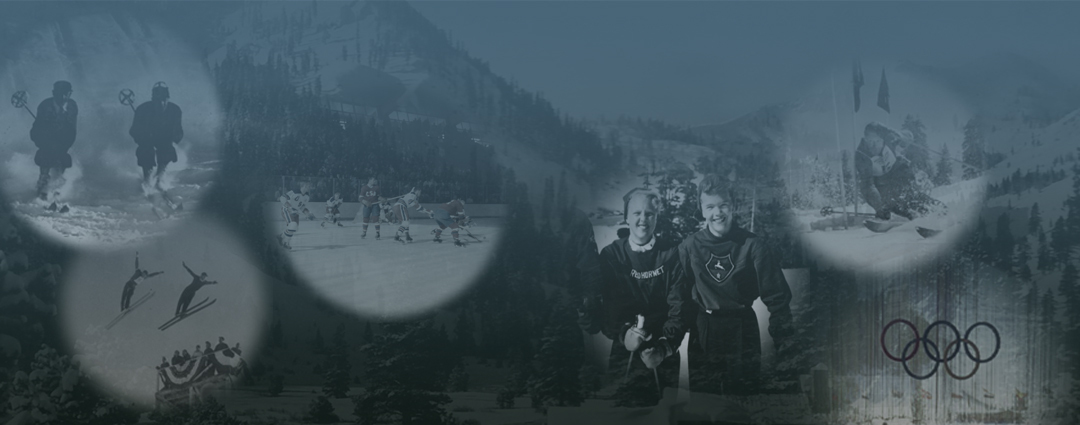
The Sierra Nevada has a rich snow sports history. It began in the 1860s when miners careened down steep slopes at 80 miles an hour on 14 foot long wooden skis in the Northern Sierra. By the 1930s Sugar Bowl opened on Donner Summit with the first chairlift in California and was touted as being accessible from the Bay Area by train. Meanwhile, just outside Tahoe City at the current site of Granlibakken, a ski hill served the nearby Tahoe Tavern Resort, and held the national ski jumping competition in 1932.
By the end of the 1940s, the resort originally called Squaw Valley (now Palisades Tahoe) was not only in operation, but just a few years after opening had the incredible audacity and courage to beat out the European resorts to capture the bid for the 1960 Winter Olympics. These are just a few of the incredible stories that make up winter sports in the Sierra. Want more? How about Kirkwood, which was built in the 1970s. At the time Highway 88 was closed in the winter since it sits between two of the most active avalanche pathways in the United States.
The Sierra ski industry that we see today happened because a string of interesting and often quirky characters pulled up their sleeves and worked their tails off. They understood we have amazing mountains in the Sierra and had the vision that people would love skiing here.
The stories of courage, persistence and risk that created the Sierra ski industry are well worth hearing, and the SNOW Sports Museum is gearing up to tell them in an expansive new facility at the entrance to Palisades Tahoe. The goal of the museum is to provide an opportunity for the public to enjoy our winter sports and Olympic history through the use of artifacts and photos that capture the true spirit of the Sierra. It will be a place for education and entertainment and will be a must see stop for both locals and visitors.
Starting now, we will provide a series of stories about what has made Sierra Nevada’s snow sports so fascinating. The goal is for the readers to connect with these stories and understand why it is important that this museum is built. To find out more or to get involved go to thesnowmuseum.org